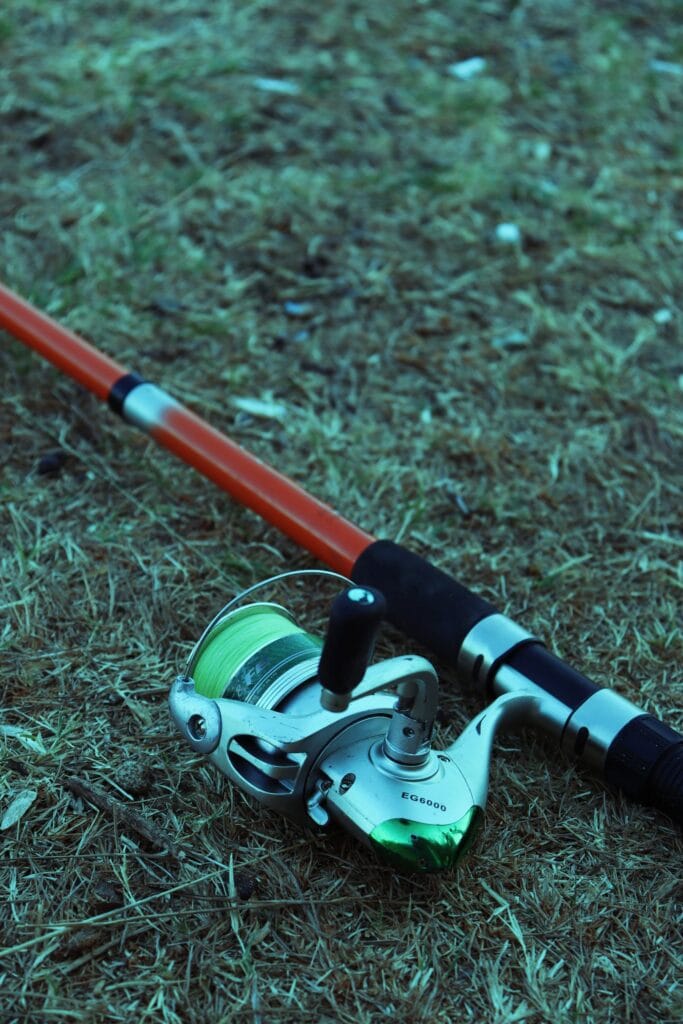
Ask a room full of tournament anglers what the most important piece of equipment they own is, and most will point to the rod in their hand—not the reel, not the boat. The rod is your direct connection to the bait and the fish, and the right one makes casting effortless, hooksets automatic, and bite detection second nature. The wrong one costs you fish you never even feel. This guide breaks down how to choose bass rods in 2026 by matching power, action, and length to the way you actually fish.
Understanding Power and Action
Before you can pick a rod, you need to speak the language. Two specs matter most, and they are easy to confuse.
- Power is how much force it takes to bend the rod—its lifting strength. It ranges from ultralight to heavy. Power should match your line and lure weight: heavier baits and stronger cover call for heavier power.
- Action is where the rod bends. A fast-action rod flexes only near the tip; a moderate action bends through the middle. Fast actions give quick, powerful hooksets and sensitivity for single-hook baits; moderate actions load slower and keep treble-hook fish pinned.
Get these two right for your technique and you are 90 percent of the way to the perfect rod.
Matching the Rod to the Technique
Here is how the specs line up with the most common bass techniques. If you can only own a few rods, use this as your buying roadmap.
Worms, Jigs, and Texas Rigs
A 7-foot to 7-foot-3 medium-heavy, fast-action baitcaster is the single most versatile bass rod you can own. It has the backbone to drive a hook through a fish’s jaw in cover and the tip sensitivity to feel a soft plastic get inhaled. If you buy one rod, buy this.
Flipping and Punching Heavy Cover
Step up to a 7-foot-6 to 8-foot heavy-power, fast-action rod. You need the length for reach and the power to pull big fish out of matted grass and thick wood before they bury you.
Crankbaits and Treble-Hook Baits
Switch to a moderate or moderate-fast action in medium to medium-heavy power, ideally in a composite or fiberglass blank. The slower bend keeps fish from tearing off treble hooks and lets the bait load up on the cast. A 7-foot-2 to 7-foot-6 length helps with long casts and deep divers.
Finesse: Drop Shot, Ned Rig, Shaky Head
Go with a spinning rod, 6-foot-10 to 7-foot-2, in medium-light to medium power with a fast or extra-fast tip. Pair it with 8- to 15-pound braid and a fluorocarbon leader for the sensitivity to feel a light bite in deep water.
Topwater and Jerkbaits
A 6-foot-8 to 7-foot medium-power, fast to moderate-fast rod gives you the wrist action to walk a topwater and twitch a jerkbait without the bait feeling stiff. A slightly softer tip keeps trebles buttoned.
Length: Longer Is Not Always Better
Rod length affects casting distance, leverage, and accuracy. Longer rods (7-foot-3 and up) cast farther and move more line on the hookset—great for offshore fishing and deep cranking. Shorter rods (6-foot-8 to 7-foot) offer better accuracy for skipping docks and pitching to tight targets. Consider your boat and your body, too: an angler fishing from a kayak or a short person may find an 8-foot flipping stick unwieldy. For most anglers, the 7-foot to 7-foot-3 range is the sweet spot for all-around use.
What About Blank Material?
- Graphite (carbon): Light and highly sensitive—the best choice for bottom-contact baits where feeling the bite matters most.
- Fiberglass: Slower, more forgiving, and nearly unbreakable. Ideal for crankbaits and other moving baits with treble hooks.
- Composite: A blend that offers a middle ground—good sensitivity with some forgiveness. A strong option for anglers who want one crankbait rod that does a bit of everything.
How Much Should You Spend?
You do not need a flagship rod to catch fish, but there are real gains as you move up in price. Entry-level rods in the 60-to-100-dollar range have improved dramatically and will serve most weekend anglers well. The 130-to-200-dollar tier is the value sweet spot in 2026, delivering high-modulus graphite, quality guides, and noticeably better sensitivity. Above that, you pay for lighter weight, premium components, and refinement that competitive anglers appreciate but casual anglers may not need. Buy the best rod you can afford in the technique you fish most, and build your arsenal one specialized stick at a time.
A Sensible Three-Rod Starter Set
If you are building from scratch, these three rods cover nearly everything:
- 7-foot medium-heavy, fast-action baitcaster for jigs, worms, Texas rigs, spinnerbaits, and chatterbaits.
- 7-foot medium, fast-action spinning rod for all your finesse presentations.
- 7-foot-2 medium-heavy, moderate-action crankbait rod for treble-hook baits.
Master those three, and you will be equipped for 95 percent of the bass fishing situations you encounter. From there, add specialty rods—a heavy flipping stick, a dedicated topwater rod, a long-casting deep-crank rod—as your fishing demands them. The right rod in your hand will not just help you feel more bites; it will make every day on the water more enjoyable.
Sandro
Bass Fishing Enthusiast & Founder of Bass Fishing Blueprint
Sandro has been chasing bass from the bank and the boat for over a decade. He created Bass Fishing Blueprint to share straightforward, practical tactics that help everyday anglers catch more fish â no fluff, no filler, just what actually works on the water.