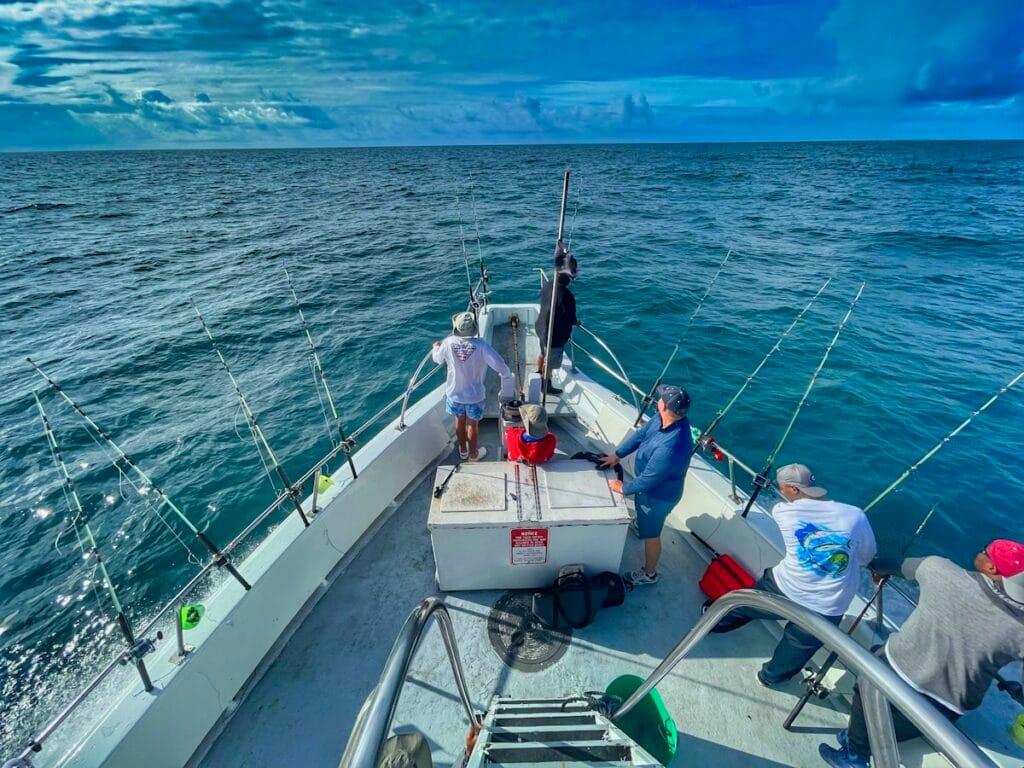
Ask any tournament angler what gear they would never leave the house without and polarized sunglasses are always on the short list — usually right after rod, reel, and trolling motor. Polarized lenses cut through surface glare and let you see into the water. That means spotting bedding bass, reading the bottom, finding subtle structure, and tracking lures in real time. Without them, you’re fishing blind in the most literal sense.
This guide breaks down what actually matters when choosing a pair of polarized fishing sunglasses, the lens colors that work for different conditions, and specific brand picks across every budget.
What “Polarized” Actually Means
Polarized lenses contain a chemical filter — usually a thin film laminated into the lens — that blocks horizontally polarized light. Light reflecting off the surface of water tends to be horizontally polarized, which is why it shows up as glare. Filter that out and the surface becomes more transparent. You’re suddenly seeing 4 to 8 feet down where you previously saw a mirror.
Cheap “polarized” sunglasses often have an inferior filter that breaks down or distorts color. Better lenses use injection-molded polycarbonate or, at the high end, mineral glass with the polarizing layer baked in. The price difference is real, and you can see the difference within five minutes on the water.
Lens Color: This Is the Decision That Matters Most
The lens color (technically the base lens tint) determines what you’ll see best in different lighting and water conditions. Get this right and the rest is detail.
Copper / Amber / Brown
The all-around best fishing lens for shallow, structure-heavy fishing. Copper-based tints enhance contrast against varied bottoms — wood, rocks, grass — and make it easy to spot bass on beds, sight-fish, or read shallow structure. If you only buy one pair, make it copper.
Green Mirror / Green
The best lens for inshore and offshore brightness, and excellent in the kind of mid-day blue-sky conditions you fish in summer. Green tints handle bright glare without making everything look brown. A great second pair for anglers who already own copper.
Yellow / Rose
Low-light specialists. If you fish a lot of dawn, dusk, overcast days, or stained water, yellow and rose tints brighten the scene and pull contrast out of dim conditions. Most anglers don’t need a dedicated low-light lens, but if you’re a tournament angler who’s on the water at safe-light, they’re worth having.
Gray / Smoke
True color, less contrast. Better for driving than fishing. Skip gray for primary fishing glasses unless you’re on the ocean.
Frame Style and Fit
Frame matters more than people think. The wrong frame lets in side light or fogs up; the right frame disappears on your face. Look for:
- Wrap-around or 8-base curve — blocks side light and keeps wind out of your eyes during fast boat runs.
- Lightweight nylon or TR-90 frames — comfortable for all-day wear, and they float (mostly) if you do drop them.
- Rubber nose pads and temple grips — keep glasses planted when you sweat or get spray on your face.
- Side shields (optional) — some serious sight-fishing anglers prefer leather or rubber side shields to block all peripheral glare. Overkill for most.
Glass vs. Polycarbonate Lenses
Glass is heavier, scratch-resistant, and offers slightly clearer optics. Polycarbonate is lighter, more impact-resistant, and far more comfortable for all-day wear. For 95% of bass anglers, polycarbonate (or its premium cousin, NXT/Trivex) is the right call. Glass makes sense if you’re hard on glasses and want maximum clarity, but the weight difference adds up over a 10-hour day.
Brand Picks by Budget
Premium ($200-$300+): Costa Del Mar, Smith, Maui Jim
Costa Del Mar’s 580 lens technology is the gold standard among bass and inshore anglers. Models like the Costa Fantail, Tuna Alley, or Reefton in 580G (glass) or 580P (polycarbonate) with copper or green mirror are workhorses. Smith Optics’ ChromaPop lenses are equally excellent and slightly more contrast-forward — the Guides Choice and Hookshot are popular bass-specific frames. Maui Jim is the best for pure optical clarity if you don’t mind the price.
Mid-Range ($100-$200): Bajio, Wiley X, Native Eyewear
Bajio is a newer brand built specifically for fishing — their LAPIS Lens technology blocks blue light to reduce eye fatigue, and the optics rival Costa for less money. Wiley X frames are tough enough to be ANSI-rated for safety, which is appreciated by anglers who run a lot of cover. Native Eyewear punches above its weight class for under $150.
Budget ($30-$100): Flying Fisherman, KastKing, Calcutta
Flying Fisherman’s polarized lenses are surprisingly good for the money — the Buchanan and Maverick frames are popular among guides who lose glasses regularly. KastKing has expanded into eyewear and offers solid polarization at sub-$50 prices. None of these will match Costa or Smith for ultimate clarity, but they’ll do the job.
Care and Replacement
Polarized lenses scratch easier than people expect. A few habits will extend the life of any pair:
- Always store them in the case when not on your face — never face-down on the boat deck.
- Rinse with fresh water at the end of the day to wash off salt or grime.
- Use a microfiber cloth (not your shirt) to clean. Paper towels and shirt fabric scratch.
- Replace polarized lenses every 2 to 4 years — the polarizing film degrades from UV exposure even when you’re being careful.
Final Thoughts
The right pair of polarized sunglasses will catch you fish — by letting you sight-fish bedding bass, identify subtle structure, watch how fish react to your lure, and read the water faster than the angler next to you. If you only buy one pair, get a copper or amber wrap-around frame from Costa, Smith, or Bajio with polycarbonate lenses. If you have the budget for a second pair, add green mirror for bright sun. Your eyes — and your livewell — will thank you.
Sandro
Bass Fishing Enthusiast & Founder of Bass Fishing Blueprint
Sandro has been chasing bass from the bank and the boat for over a decade. He created Bass Fishing Blueprint to share straightforward, practical tactics that help everyday anglers catch more fish â no fluff, no filler, just what actually works on the water.