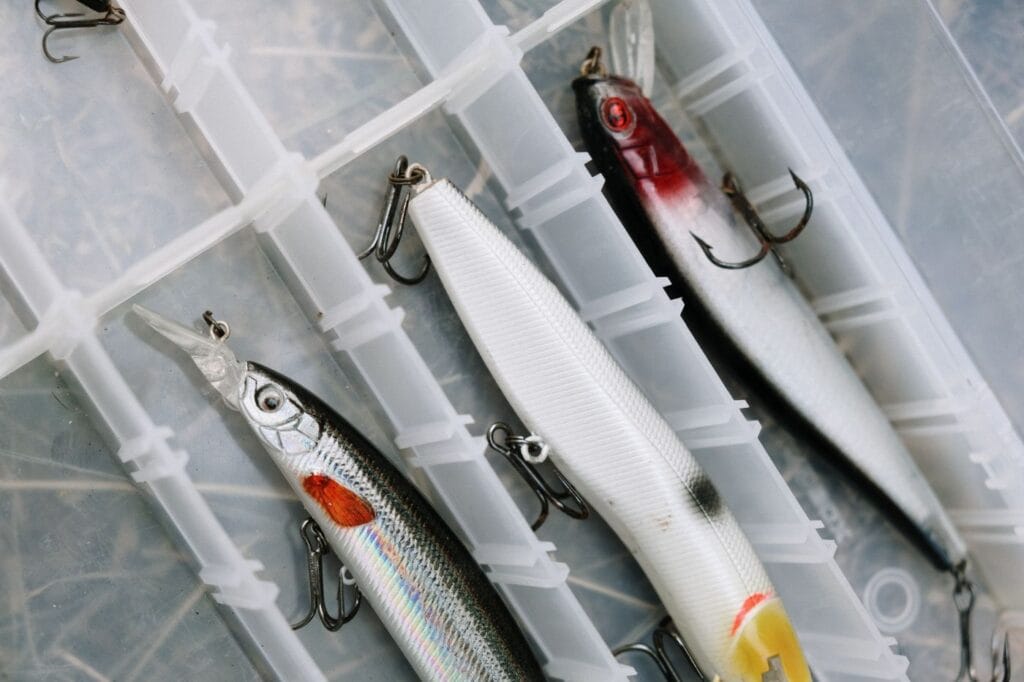
Every angler eventually hits the same wall: a truck bed full of loose bags, tackle trays rattling around the boat, and ten minutes of digging every time you want to retie. Good tackle storage will not make you cast farther, but it will help you fish faster, protect your investment, and actually find the bait you need when the bite window is open. Here is how to think about tackle storage in 2026 and choose a system that fits how you fish.
Start With How You Fish
Before buying anything, be honest about your fishing style. A bank angler who walks a mile of shoreline has completely different needs than a boat owner with lockable storage compartments or a kayak angler counting every inch of deck space. The best storage system is the one that matches your platform and the way you move.
- Bank and wade anglers need to carry everything on their back or shoulder and keep it light.
- Boat anglers can prioritize capacity and organization, dedicating trays to entire techniques.
- Kayak anglers need compact, waterproof, and secure—gear that will not slide, spill, or corrode.
The Building Block: The 3700 Tray
Modern tackle organization is built around standardized utility boxes, and the 3700-size tray has become the industry backbone. It is large enough to hold most baits, adjustable dividers let you customize compartments, and nearly every tackle bag on the market is sized to accept them. The smaller 3600 tray is handy for terminal tackle and finesse baits.
Whatever bag or box you buy, standardizing on 3700 trays is the smartest long-term decision you can make. It means your trays are interchangeable between bags, easy to swap in and out of the boat, and simple to expand as your collection grows. Look specifically for trays advertised as waterproof or with a rubber gasket seal if you fish in rain or from a wet kayak, and consider the versions designed to resist rust for spinnerbaits and bladed baits.
Soft-Sided Tackle Bags: The Versatile Standard
For most anglers, a soft-sided tackle bag that holds four to six 3700 trays is the sweet spot. It is portable enough to carry from the truck to the boat or down the bank, it protects your trays, and the exterior pockets swallow pliers, line, sunscreen, and tools.
When shopping, weigh these features:
- Material and coating: Look for water-resistant fabric and a molded or coated base that shrugs off a wet deck. Cheaper bags soak through and sag.
- Zippers: This is where budget bags fail first. Corrosion-resistant, heavy-duty zippers are worth paying for.
- Tray capacity: Buy for a little more than you carry now. Anglers almost always grow into more trays, not fewer.
- Comfort: A padded shoulder strap and grab handles matter more than you think if you carry it any distance.
Hard Tackle Boxes and Backpacks
Hard-sided boxes still have a place, especially for anglers who want maximum protection or a stable seat and stand-up base in a small boat. They resist crushing and keep contents dry better than most soft bags, at the cost of weight and flexibility.
Tackle backpacks have surged in popularity for good reason. They distribute weight across both shoulders, free your hands for a rod and net, and are ideal for bank anglers, kayak anglers, and anyone hiking to remote water. The trade-off is that reaching your trays means taking the pack off, so they favor anglers who set up in a spot rather than constantly running and gunning.
Binder Systems for Soft Plastics
Soft plastics are a storage headache of their own. Left in trays, they can bleed color onto each other and, worse, certain plastics react and melt when different formulas touch. The solution most serious anglers adopt is a soft-bait binder: a zippered folder with clear, resealable sleeves that hold baits in their original packaging.
A binder keeps worms, creatures, and swimbaits flat, organized by type or color, and visible at a glance. It also protects your other tackle from plastic bleed and dramatically reduces the bulk of loose bags rolling around. If you fish a lot of soft plastics—and most bass anglers do—a binder is one of the highest-value organizational upgrades you can make.
Organizing Inside the System
Buying containers is only half the job. The anglers who fish fastest organize by technique, not by lure type. Dedicate one tray to your Texas-rig terminal tackle and weights, another to jigs and trailers, another to hard baits like crankbaits and jerkbaits, and another to topwater. Label the ends of trays so you can read them stacked in the bag.
Then practice a simple discipline: at the end of every trip, spend five minutes returning baits to their home trays and pulling any that got wet to dry out. A rusted hook or a corroded blade started as a wet bait tucked away in a hurry. This one habit extends the life of your gear more than any product you can buy.
Matching a Setup to Your Budget
- Getting started: One quality soft bag with four 3700 trays covers nearly every technique for the average angler. Organize by technique and you will rarely feel limited.
- Bank or kayak focused: A weather-resistant tackle backpack plus a soft-bait binder keeps you mobile and protected without a boat.
- Boat owner going all in: A large-capacity bag or two, a dedicated binder for plastics, and rust-resistant trays for spinnerbaits and bladed baits give you a system that scales with your collection.
Tackle storage is not glamorous, but it is one of the few upgrades that pays off on every single trip. Standardize on 3700 trays, buy a bag or pack that fits how you fish, protect your soft plastics in a binder, and build the habit of resetting your gear after each outing. Do that, and you will spend your time on the water fishing instead of digging.
Sandro
Bass Fishing Enthusiast & Founder of Bass Fishing Blueprint
Sandro has been chasing bass from the bank and the boat for over a decade. He created Bass Fishing Blueprint to share straightforward, practical tactics that help everyday anglers catch more fish â no fluff, no filler, just what actually works on the water.