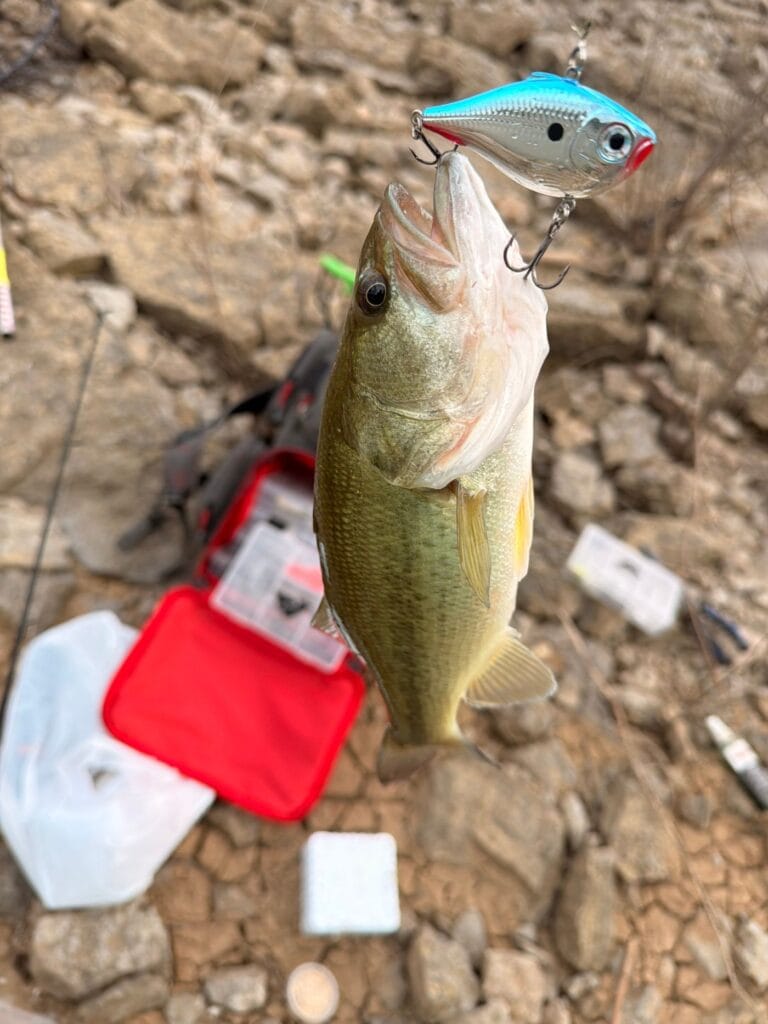
Standing timber is some of the most productive and most intimidating cover in bass fishing. Flooded forests of drowned trees hold bass in every season, but in the heat of summer they become magnets—offering shade, deep-water access, and a highway of ambush points from the surface to the bottom. Most anglers idle past standing timber because it looks like a tackle-eating nightmare. Learn to read it, and you will have entire creek arms of quality bass to yourself.
Why Bass Love Standing Timber in Summer
A standing tree is a vertical piece of structure that touches multiple depth zones at once. That is a big deal in summer, when bass relate to specific depths tied to oxygen and temperature. A single tree lets a bass move up to feed near the surface at dawn, slide down to 15 or 20 feet during the bright midday hours, and never leave the safety of cover. Trees also collect two things bass want: shade and baitfish. Shad and bluegill orbit the limbs, and bass tuck against the trunk waiting to ambush them.
The best timber is not random. Look for trees that stand on or near a hard structural feature—a creek channel edge, a point, a submerged roadbed, or a depth change. A line of trees marking an old fencerow or the bank of a flooded creek channel is a classic summer stack of bass.
How to Read a Stand of Timber
Not every tree holds fish, and part of timber fishing is eliminating water quickly. Use your electronics and your eyes to narrow it down:
- Find the channel. Trees that line a submerged creek or river channel give bass instant deep-water access. Idle the edges and watch your graph for the channel drop running through the timber.
- Look for the biggest, oldest trees. Larger trunks and trees with intact limbs and forks hold more fish than bare poles.
- Check the depth of the tops. In summer, trees whose tops sit 8 to 20 feet down often out-produce trees that break the surface, because the fish are holding deeper.
- Scan for bait. A tree surrounded by shad on your electronics is worth ten empty ones.
The Best Baits for Standing Timber
Timber calls for baits you can fish vertically and control around wood. Here are the workhorses.
The Jig and the Texas-Rigged Worm
Nothing beats a compact jig or a Texas-rigged worm for picking apart a tree. Pitch to the trunk, let the bait fall right alongside it, and pay close attention on the drop—most bites come as the bait sinks past a limb. If you do not get bit on the fall, let it hit bottom, hop it once or twice, and reel up to hit the next side of the tree. Work the trunk like the face of a clock, dropping on multiple sides before moving on.
The Spinnerbait and Swim Jig
When fish are active, a spinnerbait slow-rolled through the limbs draws reaction strikes and lets you cover water. The single hook and upturned line-tie make it surprisingly snag-resistant—let it tick the branches, then pause and let it helicopter down when it comes free. That deflection-and-fall is a killer trigger.
The Jigging Spoon and Drop Shot
For deep, inactive fish stacked on the trunk, drop a jigging spoon or a drop shot straight down the tree and work it through the strike zone. This vertical approach shines when you mark bass hugging cover 15 to 25 feet down and they will not chase.
Gear That Keeps You From Losing Fish
Timber is unforgiving. When a bass bites, it will try to wrap you around the nearest limb, so you cannot fish light. Use a 7-foot to 7-foot-6 medium-heavy to heavy rod with plenty of backbone, and lean on braided line or heavy fluorocarbon—40- to 65-pound braid where the wood is thick, or 15- to 20-pound fluoro when fish are line-shy. The goal is to stop the fish and steer it up and away from the tree before it can bury you. When you hook one, keep your rod high and reel steadily; do not give slack.
Boat Position and Presentation
How you position on timber matters as much as your bait. Use your trolling motor or spot-lock to hold just far enough off the trees to make accurate pitches without spooking fish. Approach with the sun and wind in mind—cast so your bait falls on the shady side of the trunk, where bass usually stage. Make repeated, precise presentations to the same tree from different angles before you decide it is empty. Bass in timber are often tight to cover and will not move far, so you have to put the bait in their face.
Common Mistakes to Avoid
- Fishing too fast. Timber rewards patience. Slow down and pick each tree apart instead of running past dozens.
- Going too light. Underpowered gear means lost fish and left-behind lures. Upsize your line and rod.
- Ignoring the fall. Most timber bites happen as the bait sinks. Watch your line and stay ready from the moment the lure hits the water.
- Only fishing the visible trees. Submerged tops and stumps you can only see on electronics often hold the biggest fish because they get less pressure.
Standing timber intimidates most anglers, and that is exactly why it stays loaded with fish. Take the time to identify the key trees near deep water, slow down and fish them vertically with tackle strong enough to win the fight, and you will unlock a pattern that produces from the post-spawn all the way through fall. The next time you idle past a flooded forest, stop and start pitching—you may have just found the most reliable bass factory on your lake.
Sandro
Bass Fishing Enthusiast & Founder of Bass Fishing Blueprint
Sandro has been chasing bass from the bank and the boat for over a decade. He created Bass Fishing Blueprint to share straightforward, practical tactics that help everyday anglers catch more fish â no fluff, no filler, just what actually works on the water.