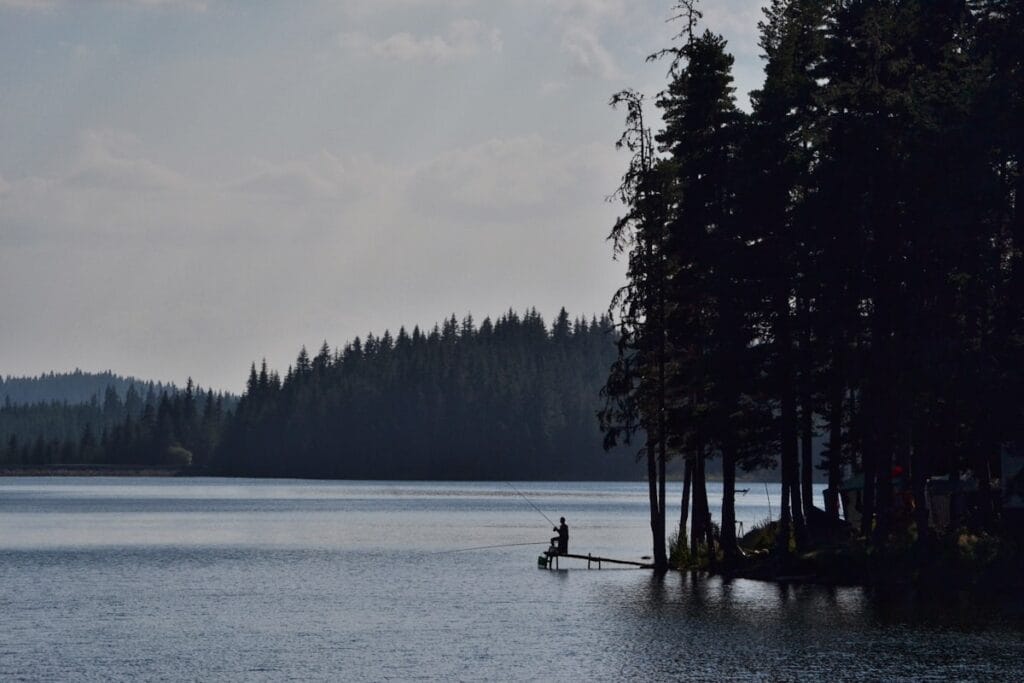
Spring is the most exciting time of year for bass anglers. Largemouth and smallmouth bass are at their most active, feeding aggressively to prepare for the spawn and defending their nests with territorial fury. If you understand what’s happening beneath the surface during each phase of spring, you can dial in your approach and have some of the best fishing days of the year. Here’s your complete breakdown of spring bass behavior and how to capitalize on it.
Understanding the Three Phases of Spring Bass Fishing
Spring bass fishing can be divided into three distinct phases, each requiring a different strategy: pre-spawn, spawn, and post-spawn. Water temperature is your most reliable indicator of which phase you’re in — more reliable than the calendar date, which can vary by weeks depending on your region and the year’s weather patterns.
Pre-Spawn (Water Temps: 48°F–62°F)
As water temperatures climb out of the low 50s, bass begin moving from their deep winter haunts toward shallower spawning areas. This is a transitional period — bass aren’t on the beds yet, but they’re actively feeding to build energy reserves for the rigors of spawning. This can be one of the best feeding windows of the entire year.
Where to Find Pre-Spawn Bass
Look for bass staging near spawning flats. They won’t be on the flat yet, but they’ll be holding at the last depth break before the flat — often in 6-15 feet of water. Points, creek channel ledges, and the edges of submerged vegetation are prime staging areas. North-facing banks warm faster than the rest of the lake and will hold fish earlier in the season.
Best Pre-Spawn Lures
- Jerkbaits: A suspending jerkbait worked with a sharp jerk-jerk-pause retrieve is deadly in cold, clear water. The pause mimics a dying baitfish and gives lethargic bass time to commit.
- Lipless crankbaits: Rip a lipless crankbait through emerging hydrilla or along transition areas from sand to grass. The vibration triggers reaction strikes from bass that are just starting to feed more aggressively.
- Swimbait: A paddle-tail swimbait on a jighead is a go-to for pre-spawn bass. Slow-roll it along the bottom near staging areas.
- Bladed jig (ChatterBait): Excellent for slightly warmer pre-spawn conditions when bass are moving shallower. Fish it with a slow, steady retrieve along grass edges.
Spawn (Water Temps: 62°F–75°F)
When water temperatures hit the low 60s, bass begin moving onto their spawning beds. Largemouth prefer flat, hard-bottomed areas in 1-6 feet of water, often near some form of cover — a stump, dock pillar, rock, or edge of vegetation. Smallmouth typically spawn in slightly deeper water (4-12 feet) on gravel or rocky bottoms.
Sight Fishing for Spawning Bass
Sight fishing is the iconic spring technique — polarized sunglasses are essential. Once you spot a bass on a bed, the challenge becomes convincing a fish that isn’t eating (it’s defending a territory) to strike your lure. Bass on the bed will often nudge or pick up lures to remove them from the nest, which is why the hookset needs to be fast and deliberate.
Best Spawn Lures
- Ned rig: The compact, subtle presentation of a Ned rig sitting right on a bed is incredibly aggravating for a spawning bass. Work it slowly, inch it toward the center of the bed.
- Wacky rig: A wacky-rigged Senko has a subtle shimmy on the fall that drives bedding bass crazy. Drop it on the bed and barely twitch it.
- Swimbait (creature): A soft plastic creature bait (like a Zoom Brush Hog or Reaction Innovations Sweet Beaver) on a light Texas rig is great for presenting a “threat” that bass will pick up and move off the bed.
- Tube: Smallmouth are suckers for a tube jig on the spawn. Drag it slowly across the gravel near their beds.
A Note on Catch-and-Release During the Spawn
Many conservation-minded anglers choose to release bass quickly during the spawn to protect the fishery. If you do fish spawning beds, handle bass carefully, minimize air exposure, and release them as close to the bed as possible so they can return to guarding their eggs or fry.
Post-Spawn (Water Temps: 68°F–78°F)
The post-spawn can be one of the most challenging periods for bass fishing, but it’s also a window of incredible opportunity if you target the right fish. After spawning, bass fall into two groups: males guarding the fry in shallow water, and females recovering in deeper water.
Targeting Post-Spawn Males
Male bass are still shallow, aggressively guarding clouds of fry near spawning areas. They’re easy to catch — anything that looks like a threat to the fry will get attacked. Finesse lures like a small swimbait, Ned rig, or tiny crankbait work well. This is also a great time for topwater, especially early in the morning when fry are schooled near the surface.
Targeting Post-Spawn Females
Female bass recover in 8-20 feet of water near their spawning areas. They’re recuperating and often not very aggressive, but a slow, subtle presentation can get them to bite. A drop shot is the go-to post-spawn technique — it keeps a finesse worm right in the strike zone without requiring the fish to move much. A shakey head or a shaky worm on a light football jig are also effective.
As females recover and water temps continue rising into the upper 70s, they’ll start feeding more aggressively to recoup the energy lost during spawning. This transition back into active feeding can produce some of the biggest bites of the year on swimbaits and deep-diving crankbaits worked along channel ledges.
Key Spring Bass Fishing Tips
- Monitor water temperature daily: A $15 surface thermometer or a fish finder with a temp sensor is invaluable. A warm-weather front can push fish shallow in a day; a cold front can push them back 10 feet.
- Target north-facing banks in early spring: They receive more direct sunlight and warm faster, concentrating fish before the rest of the lake heats up.
- Fish slower as temps drop: Cold fronts in spring (common in March and April) shut bass down. Slow everything down — smaller lures, longer pauses, lighter line.
- Don’t ignore the back of creeks: Creek arms are shallower and warm faster than the main lake. They’re the first areas to see pre-spawn activity.
- Polarized sunglasses are a must: Not just for sight fishing — they help you see underwater structure, grass edges, and swimming fish that you’d otherwise miss entirely.
Spring bass fishing rewards those who pay attention to the details. Track water temperature, understand the phase your fishery is in, and match your lure and presentation to what bass are doing at that moment. Do that consistently, and spring will become your favorite time of year on the water.
❓ Frequently Asked Questions
When is the post-spawn for bass?
Post-spawn occurs when water temperatures rise above 72°F and spawning is complete, typically May through early June in most of the country. Females recover in nearby deeper water while males guard fry in the shallows.
Where do bass go after the spawn?
Female bass move to the first significant deep-water break adjacent to spawning flats — secondary points, submerged brush, or dock edges in 6–15 feet of water. Males stay shallow, guarding fry near the spawn sites.
What baits work best for post-spawn bass?
Reaction baits like spinnerbaits and shallow crankbaits work for males guarding fry. For recovering females, finesse presentations — drop shot, shakyhead — in slightly deeper water (8–12 feet) on secondary points near spawning flats are most effective.
📖 Keep Reading
Frequently Asked Questions
What are the three phases of spring bass fishing?
Spring bass fishing has three phases: pre-spawn (water 45-55°F), when bass move from deep water to shallow feeding areas and are at their heaviest; spawn (55-68°F), when bass are on beds in 1-6 feet of water near the bank; and post-spawn (above 68°F), when bass recover near spawn areas before moving to summer locations.
What is the best lure for catching bass during the spawn?
A wacky-rigged Senko or stick worm is arguably the best lure for spawning bass. The slow, seductive fall drives territorial spawning bass crazy. Other top choices include a Texas-rigged lizard or creature bait (mimics a nest predator), a swimbait, and a finesse jig. Match the forage and target bass defending beds.
Why are bass caught during the spawn so easy to catch?
Spawning bass are highly territorial and will attack anything that enters their spawning bed, even when not actively feeding. This defensive aggression makes them more catchable than at any other time of year. However, catching and releasing spawning bass quickly is important to minimize nest abandonment and protect future bass populations.
Sandro
Bass Fishing Enthusiast & Founder of Bass Fishing Blueprint
Sandro has been chasing bass from the bank and the boat for over a decade. He created Bass Fishing Blueprint to share straightforward, practical tactics that help everyday anglers catch more fish â no fluff, no filler, just what actually works on the water.