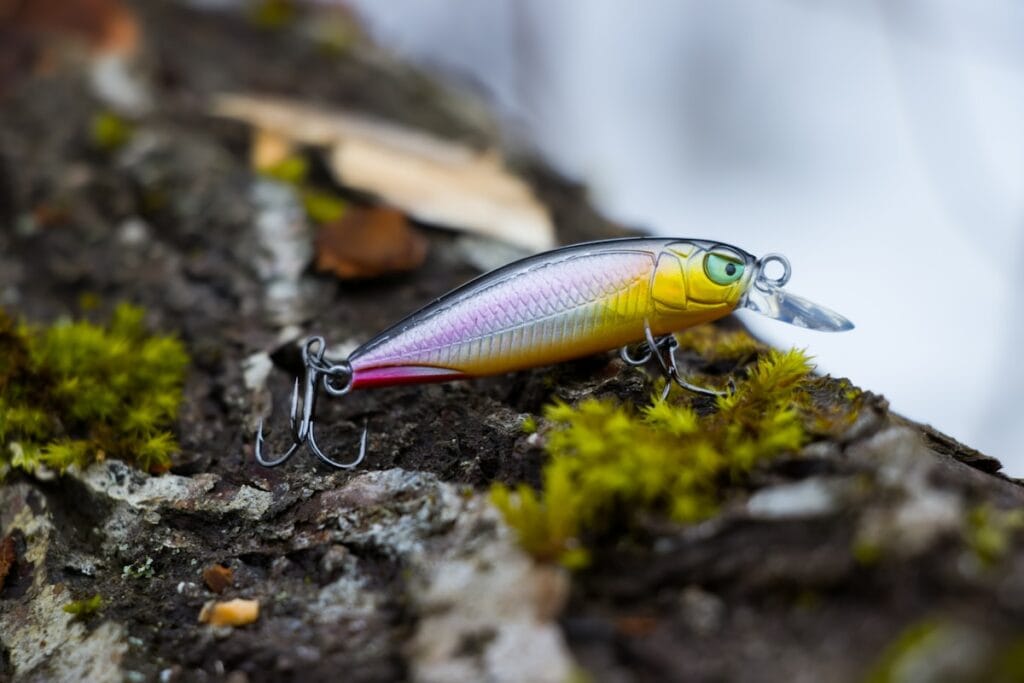
If you could only fish with one lure for the rest of your life, a lot of experienced bass anglers would pick the jig. There’s a reason for that. A well-presented jig catches bass in every season, in every type of water, and at nearly every depth. It imitates crawfish, bluegill, and other forage that bass eat constantly, and it excels around the heavy cover where big bass like to live.
But jig fishing intimidates a lot of people. Between choosing the right head style, picking a trailer, figuring out the retrieve, and learning to detect bites, there’s a learning curve. This guide breaks it all down so you can start putting more bass in the boat — or on the bank — with a jig.
Why the Jig Is a Must-Have Bass Lure
A bass jig is essentially a weighted hook with a silicone or rubber skirt wrapped around it. The skirt flares and pulses in the water, creating a lifelike profile that mimics crawfish, baitfish, or even small bluegill depending on the color and trailer you choose. Unlike many other lures, jigs are designed to be fished slowly and deliberately, which makes them perfect for targeting bass that are holding tight to cover.
Bass jigs are effective in cold water when fish are sluggish, in warm water when bass are aggressive, and everything in between. A 3/8 oz jig pitched under a dock in April is just as deadly as a football jig dragged across a rocky ledge fishing in July. That versatility is what makes it a year-round producer.
Types of Bass Jigs and When to Use Each
Not all jigs are created equal. Different head shapes and weed guard designs are built for specific situations. Here are the main types you need to know.
Flipping and Pitching Jigs
These are the workhorses. A flipping jig typically weighs 3/8 to 1/2 oz and has a compact, flat-bottom head that slides through cover without snagging. The weed guard is stiff enough to deflect off branches and grass. Use these when you’re targeting laydowns, brush piles, docks, and thick vegetation. Keep your casts short and precise — flip or pitch the jig into tight spaces, let it fall on a semi-slack line, and watch for the line to jump or feel heavy.
Football Jigs
The football-shaped head keeps the jig upright as it drags across hard bottom — think rocks, gravel, shell beds, and clay points. Football jigs shine in the summer and fall when bass are relating to deeper structure. Drag them slowly, pausing every few feet. The wide head kicks up debris and creates a natural crawfish-like disturbance that bass can’t resist. Stick with 1/2 to 3/4 oz in deeper water.
Swim Jigs
Swim jigs have a pointed, hydrodynamic head designed to come through vegetation cleanly on a steady retrieve. Instead of hopping a jig on the bottom, you reel a swim jig through the water column — often just under the surface or over submerged grass. These are fantastic in spring and summer around shallow cover. The retrieve is simple: cast it out, keep your rod tip up, and reel at a moderate pace. Add a paddletail trailer for extra action.
Finesse Jigs
When the bite gets tough — pressured lakes, cold fronts, ultra-clear water bass fishing — downsizing to a finesse jig in the 1/4 to 5/16 oz range can make a huge difference. Finesse jigs have a smaller profile, lighter wire hook, and thinner skirt. Fish them on lighter line (10-12 lb fluorocarbon) with subtle hops and shakes. They’re particularly effective around isolated pieces of cover like a single rock or stump.
Choosing the Right Jig Trailer
The trailer you put on your jig matters just as much as the jig itself. It adds bulk, action, and a different profile that can trigger strikes. Here are the main trailer styles and when to use them.
A chunk-style trailer with two flapping arms is the classic choice for flipping jigs and football jigs. The arms kick and flutter on the fall and during pauses, imitating a crawfish’s claws. Brands like the Strike King Rage Craw and Zoom Super Chunk are proven producers.
For swim jigs, a paddletail swimbait trailer adds a thumping vibration that bass can feel through their lateral line. A 3.5 to 4-inch paddletail in a matching color turns your swim jig into a surprisingly realistic baitfish imitation.
When finesse fishing, go with a smaller, subtler trailer — a compact craw or a twin-tail grub in the 2.5 to 3-inch range. You want just enough movement to look alive without overpowering the small jig.
Jig Color Selection Made Simple
Color choice can feel overwhelming, but you can simplify it with a few rules. In stained or muddy water, go with dark colors — black and blue is the number one jig color in bass fishing for a reason. It creates a strong silhouette that bass can find easily in low visibility.
In clear water, switch to more natural tones. Green pumpkin, brown and orange (to mimic crawfish), and watermelon are all excellent choices. Match the forage in your lake — if you see crawfish on the bank, pick a jig color that looks like them.
For swim jigs, white and chartreuse combos work great around shad, while bluegill patterns shine in lakes with heavy panfish populations.
How to Fish a Jig: The Retrieve
The biggest mistake beginners make with a jig is fishing it too fast. Jig fishing is a slow, methodical game. Here’s the basic approach.
Cast or pitch your jig to the target. Let it fall on a semi-slack line — this means don’t keep your line tight as a drum, but don’t let it go completely slack either. You want just enough contact to feel the jig and detect a bite on the fall. Many jig bites happen as the lure is sinking, so stay alert.
Once the jig hits bottom, let it sit for a second or two. Then hop it with a short pop of your rod tip — just a few inches off the bottom. Let it fall again and repeat. Think of it as a crawfish scooting along the bottom, pausing, and then darting forward. Keep your rod tip between 10 and 2 o’clock and reel up slack between hops.
Around heavy cover, the technique changes slightly. Pitch the jig in, let it fall all the way to the bottom, give it one or two shakes, and then pull it out and move to the next piece of cover. Efficiency matters — don’t spend five minutes on one log. Hit it, move on, and come back later if you got a bite.
Detecting the Bite
Jig bites are often subtle, especially compared to a crankbait or topwater strike. You might feel a slight “tick,” your line might jump, or the jig might suddenly feel heavier — like it got stuck on something. That “something” is usually a bass.
When you think you have a bite, don’t swing for the fences. Drop your rod tip slightly, reel down to take up slack, and then set the hook with a firm, upward sweep. Jigs have thick hooks that require a solid hookset to penetrate, so don’t be shy — but you don’t need to rip the rod out of the water either. A controlled, powerful hookset is the goal.
Best Gear for Jig Fishing
A medium-heavy to heavy power baitcasting rod in the 7′ to 7’3″ range is ideal for most jig fishing. You need backbone to set the hook and pull bass out of cover, but enough tip sensitivity to feel bites. Pair it with a baitcasting reel in the 7:1 gear ratio range — fast enough to take up slack quickly but not so fast that you rush your retrieve.
For line, 15-20 lb fluorocarbon is the standard for jig fishing. Fluorocarbon sinks, which helps your jig maintain bottom contact, and it’s nearly invisible underwater. In heavy cover situations, some anglers bump up to 50 lb braided line for extra pulling power, but fluorocarbon is the better all-around choice.
Final Tips to Catch More Bass on a Jig
First, always trim your weed guard. Most jigs come from the factory with the weed guard too stiff, which causes missed hooksets. Trim about a third of the fibers and cut the remaining ones to just above the hook point. You want enough guard to slide through cover but not so much that it prevents good hook penetration.
Second, pay attention to your trailer color. Dipping the tips of a craw trailer in chartreuse dye can add a subtle color accent that triggers bites, especially in stained water.
Third, fish a jig around anything that creates shade or a break in the current. Docks, laydowns, stumps, grass edges, rocks, bridge pilings — bass use these features for ambush points, and a jig presented tight to that cover is an easy meal they rarely pass up.
The jig isn’t a glamorous lure. It doesn’t make a big splash or rattle across the surface. But it catches bass — big bass — more consistently than almost anything else in your box. Tie one on and start flipping. You won’t regret it.
❓ Frequently Asked Questions
What is the best bass lure in summer?
In summer, deep-diving crankbaits, football jigs, and large swimbaits are the top producers during the day. Early morning and evening, topwater poppers and buzzbaits along shallow banks are extremely effective.
How do you catch bass in the summer heat?
In extreme heat, fish deep structure (ledges, humps, channel edges at 15–25 feet) during midday, and target shallows aggressively in the first two hours of daylight and the last hour before dark.
Do bass bite in the summer?
Yes, but timing is critical. Bass feed heavily in the morning and evening, then retreat to deep cool water midday. Early and late summer (June and September) generally offer the best summer bass fishing overall.
📖 Keep Reading
Sandro
Bass Fishing Enthusiast & Founder of Bass Fishing Blueprint
Sandro has been chasing bass from the bank and the boat for over a decade. He created Bass Fishing Blueprint to share straightforward, practical tactics that help everyday anglers catch more fish â no fluff, no filler, just what actually works on the water.