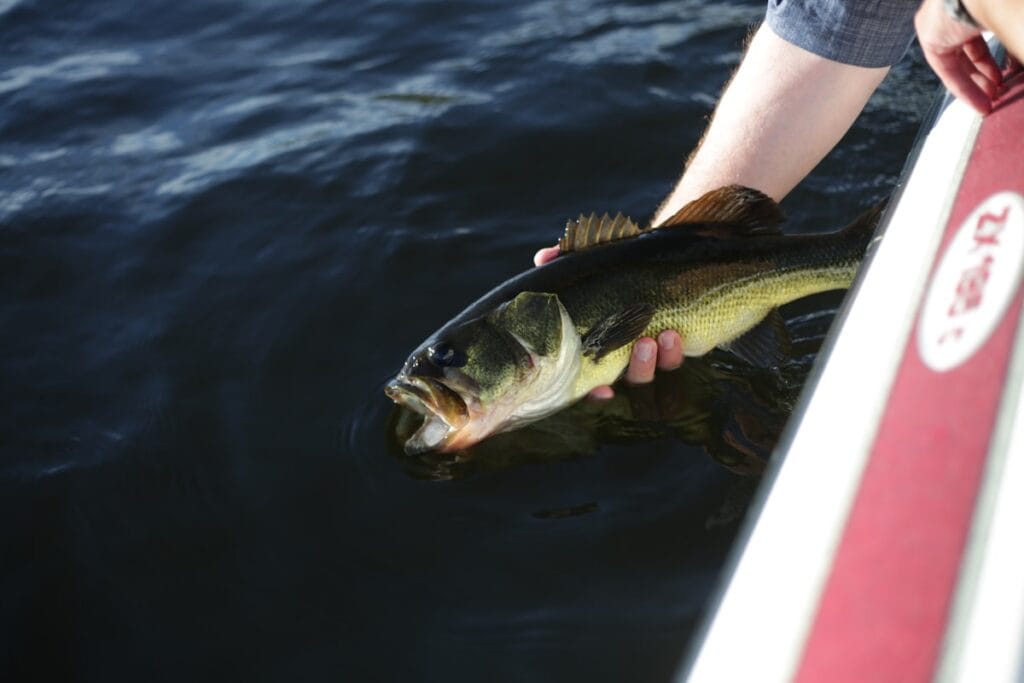
If you could only fish one soft plastic setup for the rest of your bass fishing life, the Texas rig would be the smart pick. Nothing else is as weedless, as versatile, or as universally effective from tiny farm ponds to massive Tennessee River impoundments. Yet most anglers under-fish it, default to the same 3/8 ounce bullet weight, and miss the subtle adjustments that turn a Texas rig from average to deadly.
This is a working guide to the Texas rig: how to build it the right way, how to pick the weight, where to throw it, and the small details most anglers overlook.
What a Texas Rig Actually Is
The Texas rig is a soft plastic bait paired with a sliding bullet weight and an offset worm hook, with the hook point buried back into the body of the plastic to make it weedless. The weight slides freely on the line above the hook, or is pegged in place with a bobber stopper or toothpick when conditions demand it.
The whole point is to deliver a soft plastic into the kind of cover that would eat any other rig: thick laydowns, matted vegetation, brush piles, dock pilings, rocks. A properly tied Texas rig comes through almost anything and lets you fish where bigger bass actually live.
The Rigging Process, Step by Step
- Slide a bullet weight onto your main line, point first.
- Tie on an offset worm hook using a Palomar or San Diego jam knot.
- Insert the hook point into the very nose of the soft plastic, about a quarter inch deep.
- Push it through, slide the bait up the hook shank past the offset bend, and rotate the hook 180 degrees so the point faces back into the bait.
- Lay the bait alongside the hook to measure where the point should re-enter, then push the point through the body so it just barely pokes out the top.
- Pull the bait back over the point so the hook is fully Texposed, with the point sitting flush against the plastic.
The two most common mistakes here are rigging the bait crooked, which kills the action and causes line twist, and burying the hook point too deep, which costs you hooksets. The point should be just below the surface of the plastic. A pinch of pressure on a hookset is all it should take to pop it free.
Choosing the Right Weight
Weight selection is the single biggest variable on a Texas rig, and most anglers go too heavy out of habit. As a rule, use the lightest weight that lets you maintain bottom contact and feel the bait in the cover you are fishing.
- 1/8 to 3/16 ounce: shallow, sparse cover and clear water finesse situations. Slow fall, very subtle.
- 1/4 ounce: the all-around starting point for shallow to mid-depth cover, calm conditions, lighter winds.
- 5/16 to 3/8 ounce: standard for moderate cover, breezy days, or fishing depths from 6 to 15 feet.
- 1/2 to 3/4 ounce: punching matted vegetation, fishing deep brush, or current.
- 1 ounce and up: flipping heavy mats or strong river current.
Tungsten is worth every penny over lead. It is smaller for the same weight, transmits bottom composition much better through the rod, and cracks against cover with a sharper sound that bass key on.
Pegged or Unpegged?
An unpegged weight slides up the line on the strike and on contact with cover, which keeps the bait moving more naturally and improves hookups in open water. Peg the weight when you need the bait and the weight to enter cover together: matted grass, thick brush, branches, lily pads. A simple rubber bobber stopper pegged tight against the bullet weight is the cleanest solution.
Bait Selection
Almost any soft plastic can be Texas-rigged, but four categories cover the bulk of bass fishing situations:
- Stick worms like the Senko, fished slow on a light Texas rig, produce in pressured clear water and around bedding fish.
- Ribbon-tail and curly-tail worms excel on deeper structure, points, and ledges where you want a swimming presentation on the fall.
- Creature baits and craws are the go-to for flipping shallow cover and pitching to laydowns and docks. The bulky profile draws strikes from big fish.
- Beaver-style baits are the most popular punching profile and slip through matted grass cleanly.
Color rule of thumb: green pumpkin and watermelon in clear water and around bluegill, junebug and black and blue in stained water or heavy cover, and natural shad or bluegill patterns when bass are feeding on baitfish.
Rod, Reel, and Line
The Texas rig is a baitcaster game in any meaningful cover. A 7 foot to 7 foot 4 inch medium-heavy fast-action rod is the workhorse. For finesse-style light Texas rigs in open water, a medium power rod with a softer tip improves casting and bite detection.
Reel gear ratio in the 7.1:1 to 7.5:1 range gives you the speed to pick up slack after a hop and still has enough torque for bigger fish. Line: 15 to 17 pound fluorocarbon for general use, 20 pound fluorocarbon or 50 pound braid when fishing dense cover, and 65 pound braid straight through for punching mats.
How to Actually Fish It
Most strikes come on the fall. Make a cast, watch the line, and feel for any tick, jump, or unnatural pause as the bait drops. If you are seeing the line jump sideways, swim, or stop short of where it should hit bottom, set the hook.
Once the bait hits bottom, work it slowly. A short lift of the rod tip an inch or two, a pause, and a slow drag picks up far more bites than aggressive snapping. In shallow cover, a hop-hop-pause cadence works. On deeper structure, a slow drag with occasional shakes triggers the most reaction.
When you feel a bite, drop the rod tip, take up slack, and drive the hook with a sweeping sideways set. A vertical hookset rips the bait out of the strike zone if you miss.
When to Throw It
The Texas rig is a year-round technique, but it especially shines in three situations: post-spawn into early summer when bass are pulling onto brush and laydowns, mid-summer punching matted vegetation, and any time the bite slows after a cold front. It is also the most reliable big-fish tool on highly pressured water, because nothing else lets you put a slow, natural presentation directly into the cover where the largest bass live.
Spend a season committing to it on every trip, paying close attention to weight selection and the subtle bites, and the Texas rig will become the most productive setup in your tackle box.
Sandro
Bass Fishing Enthusiast & Founder of Bass Fishing Blueprint
Sandro has been chasing bass from the bank and the boat for over a decade. He created Bass Fishing Blueprint to share straightforward, practical tactics that help everyday anglers catch more fish â no fluff, no filler, just what actually works on the water.