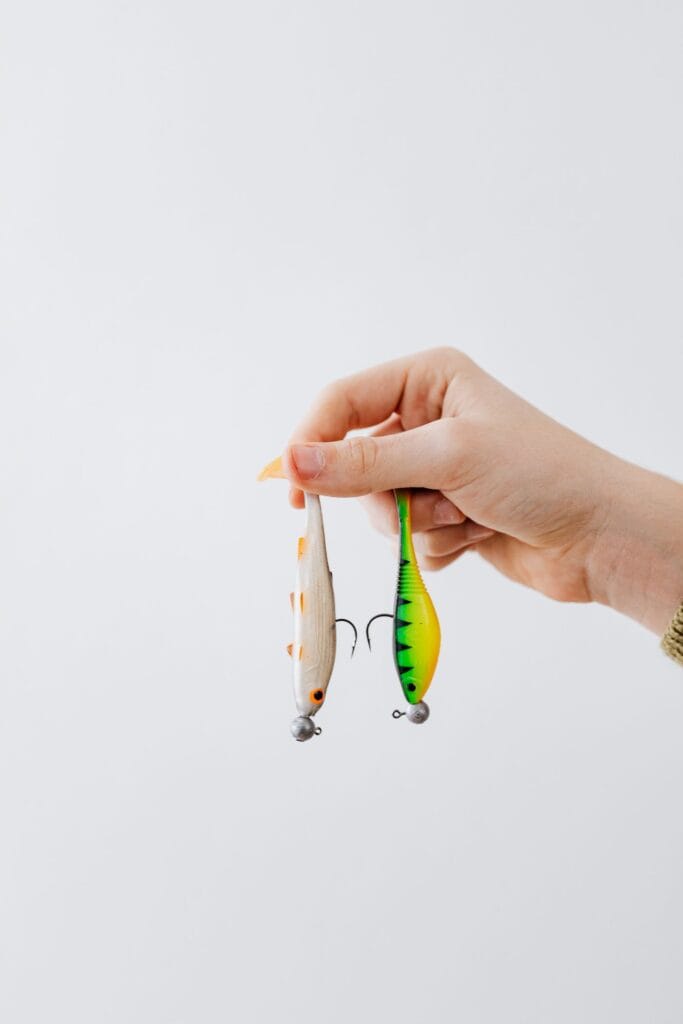
The swim jig is one of the most underrated lures in bass fishing. It covers water almost as fast as a spinnerbait, slides through grass and wood like a soft plastic, and produces the kind of violent reaction strikes that make summer fishing fun again. If you have been leaving your swim jigs in the box, you are missing one of the best tools for picking apart shallow cover when the water warms up. Here is how to rig it, retrieve it, and put it in front of the right fish.
What a Swim Jig Actually Does
A swim jig is a compact, streamlined jig built to be retrieved steadily rather than hopped along the bottom. It has a pointed, bullet-shaped head that deflects off cover, a line tie coming straight off the nose for a horizontal swimming posture, and a stout hook. Paired with a swimbait or craw-style trailer, it mimics a fleeing baitfish or bluegill. The magic is in its snag resistance: the weed guard and head design let you swim it through laydowns, dock posts, sparse grass, and reeds where a spinnerbait would hang up and a hard bait would be lost.
Choosing the Right Swim Jig
Weight is your first decision. A 3/8-ounce head is the everyday choice for shallow water down to about six feet. Step up to 1/2 ounce when you need to move faster, cast into wind, or keep the bait down along deeper grass edges. Drop to 1/4 ounce for skipping under docks and fishing skinny water where you want a slow, subtle fall.
Color should follow forage. When bass are eating shad, go with white, pearl, or shad-pattern skirts. When bluegill and bream are the primary meal, which is common all summer, switch to green pumpkin, bluegill, or black-and-blue. Match your trailer to the skirt: a paddle-tail swimbait adds thump and a baitfish profile, while a twin-tail grub or craw gives the jig a wider, bulkier bream look.
Gear That Makes It Work
Use a 7-foot to 7-foot-3 medium-heavy casting rod with a fast tip. You want enough backbone to drive the hook and pull fish out of cover, but a tip soft enough to let the fish load up before you swing. Spool a baitcaster with 15 to 20-pound fluorocarbon for open water and cleaner cover, and step up to 30 to 50-pound braid when you are fishing heavy grass or wood where cutting power matters. A reel in the 7.1:1 range lets you pick up line fast on a slack-line strike, which happens constantly with a moving bait.
Retrieves That Trigger Strikes
The steady swim is your baseline. Keep the rod tip at about ten or eleven o’clock and reel just fast enough to keep the jig off the bottom while ticking the tops of grass or brushing cover. Most of the time, that is all it takes.
When fish are following but not committing, add a stutter. Pause the retrieve for a half second, or give the rod a short snap so the jig surges and falls. That change of speed almost always draws the strike from a bass that is tracking the bait. The most important habit to build is deflection: aim your cast so the jig contacts something on the way back, whether that is a dock post, a stump, or the edge of a grass line. That deflection is what turns a follower into a biter.
Where to Throw It in Summer
- Grass edges and points: Swim the jig parallel to the outside weed line where bass ambush baitfish. Let it tick the grass tops.
- Laydowns and blowdowns: Cast past the wood and swim the jig through the limbs, pausing when it deflects off a branch.
- Docks: Skip a 1/4 or 3/8-ounce jig deep into the shade and swim it out slowly. Summer bass live under docks for the shade and cooler water.
- Reeds and pads: Buzz it just under the surface along the outer edge, or work it through open pockets in the vegetation.
Common Mistakes to Avoid
The two biggest errors are reeling too fast and setting the hook too early. A swim jig does not need to be raced; a moderate, steady pace keeps it in the strike zone longer. And because strikes often come on a slack line as the jig falls or deflects, resist the urge to swing at the first tick. Reel down until you feel the weight of the fish, then set hard and keep steady pressure to pull it clear of the cover.
Give the swim jig a full day on the water before you judge it. Once you learn to read the deflections and dial in the right trailer and speed, it becomes one of the most efficient big-bass baits you can tie on from late spring through early fall.
Sandro
Bass Fishing Enthusiast & Founder of Bass Fishing Blueprint
Sandro has been chasing bass from the bank and the boat for over a decade. He created Bass Fishing Blueprint to share straightforward, practical tactics that help everyday anglers catch more fish â no fluff, no filler, just what actually works on the water.