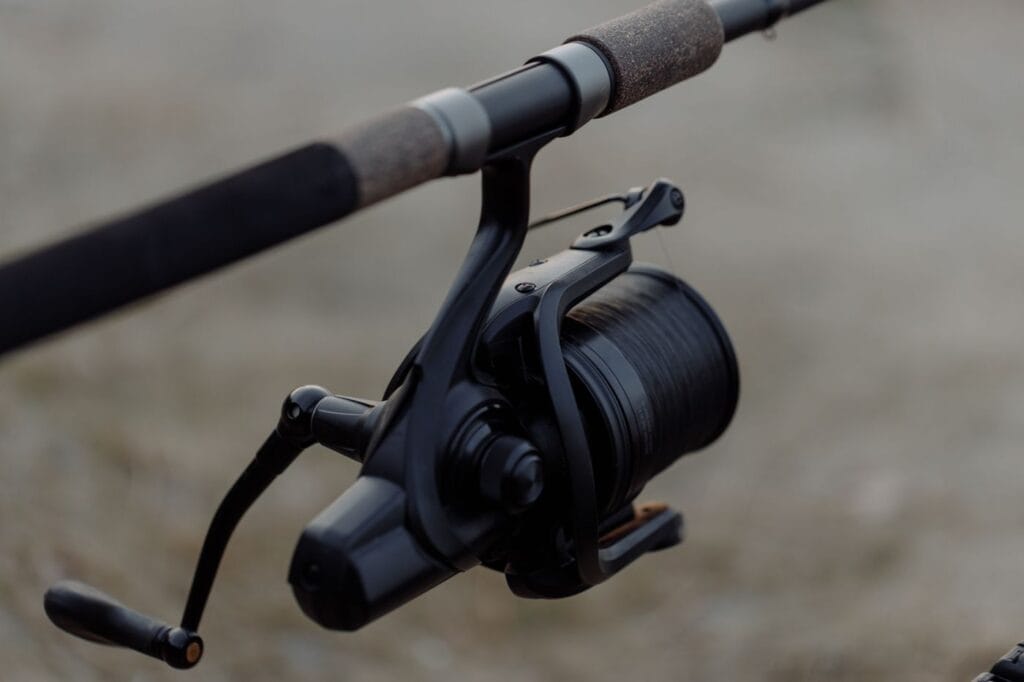
Anglers obsess over rods, reels, and lures, then spool up with whatever line happens to be on the shelf. That is backwards. Your line is the only connection between you and the fish, and choosing the wrong type costs you bites, broken-off giants, and frustrating tangles. The good news is that modern bass fishing comes down to three line types: monofilament, fluorocarbon, and braid. This guide explains exactly what each one does well, where it fails, and how to match line to technique so you can spool with confidence in 2026.
Monofilament: The Forgiving All-Rounder
Monofilament is a single strand of nylon, and it has been catching bass for decades. Its defining trait is stretch. That stretch acts like a shock absorber, which is exactly what you want with treble-hook baits and on a forgiving setup for newer anglers.
Mono floats, making it the natural choice for topwater lures where you want the line to stay on the surface and not pull the nose of the bait down. It is also the cheapest of the three, ties easy knots, and handles smoothly off the reel. The trade-offs are real, though: that same stretch reduces sensitivity and hook-setting power at distance, mono has more memory and can develop coils, and it degrades faster in sunlight, so it needs replacing more often.
- Best for: topwater baits, squarebill and shallow crankbaits, beginners, and anyone wanting a budget-friendly, forgiving line.
- Strengths: floats, stretches to cushion trebles, cheap, easy to handle and knot.
- Weaknesses: low sensitivity, more memory, breaks down faster in UV light.
Fluorocarbon: The Invisible Workhorse
Fluorocarbon has a refractive index close to water, which makes it far less visible to bass below the surface. That near-invisibility is its headline feature, but its other traits matter just as much. Fluoro sinks, has very low stretch compared to mono, and resists abrasion well, making it a superb choice for bottom-contact baits where you need to feel everything.
Because it sinks and transmits feel, fluorocarbon shines on jigs, Texas rigs, Carolina rigs, drop shots, and deep crankbaits. It is also the go-to leader material when you fish braid as a main line. The downsides: quality fluorocarbon costs more, it can be stiffer with more memory than mono, and it is less forgiving of sloppy knots, so wet your knots and seat them carefully.
- Best for: jigs, Texas rigs, Carolina rigs, drop shot, deep cranks, and clear-water situations.
- Strengths: nearly invisible underwater, sinks, low stretch and high sensitivity, abrasion resistant.
- Weaknesses: more expensive, can be stiff with memory, demands well-tied knots.
Braid: Maximum Strength and Sensitivity
Braided line is made of woven fibers, and it brings two huge advantages: it has essentially zero stretch and an incredibly thin diameter for its strength. Zero stretch means instant, telegraph-wire sensitivity and bone-jarring hook sets, while the thin diameter lets you pack more line and cast lighter baits a country mile.
Braid’s strength makes it the only real choice for fishing in and around heavy cover. When you are flipping into matted grass, punching through thick vegetation, or hauling a bass out of a laydown, braid’s power lets you winch fish out before they wrap you up. The catch is that braid is highly visible in clear water and has no stretch to cushion a hook set, so it is often paired with a fluorocarbon leader. It also requires a backing or tape on the spool to keep it from slipping, and it cuts more easily on sharp rock.
- Best for: frogs, punching and flipping heavy cover, topwater, deep grass, and as a main line with a leader.
- Strengths: zero stretch, extreme sensitivity, very strong for its diameter, long casts.
- Weaknesses: highly visible in clear water, no shock absorption, can slip on the spool without backing.
The Braid-to-Fluoro Leader Combo
Many serious anglers get the best of both worlds by spooling braid as a main line and tying on a fluorocarbon leader with an FG knot or a double-uni knot. You keep braid’s sensitivity, casting distance, and strength while gaining the invisibility of fluorocarbon near the bait. This setup is especially popular for finesse techniques like the drop shot and Ned rig in clear water, where bass get a long look at your line.
Quick Reference: What Line for Which Technique
- Topwater walking baits and poppers: monofilament, or braid with a mono/fluoro leader.
- Frogs and punching heavy cover: 50- to 65-pound braid, straight.
- Jigs and Texas rigs: 15- to 20-pound fluorocarbon.
- Crankbaits (deep): 10- to 12-pound fluorocarbon for depth and sensitivity.
- Squarebills and shallow cranks: 12- to 15-pound monofilament or fluoro.
- Drop shot, Ned rig, and finesse: braid main line with a 6- to 10-pound fluorocarbon leader.
- Spinnerbaits and bladed jigs: 14- to 17-pound fluorocarbon.
How Often Should You Change Your Line?
Line is cheap insurance against losing the fish of a lifetime. Replace monofilament and fluorocarbon at least a few times per season if you fish often, and immediately after a trip with heavy abrasion or a big fish fight. Braid lasts far longer and can often be flipped end-for-end to refresh the worn section before you replace it entirely. Always check the last several feet of line for nicks and fraying before each trip, and re-tie often, because the knot is usually the weakest point in your whole setup.
There is no single best line, only the best line for the job in front of you. Keep mono for topwater and treble baits, fluorocarbon for bottom contact and clear water, and braid for heavy cover and finesse leaders, and you will land more of the bass you hook this season.
Sandro
Bass Fishing Enthusiast & Founder of Bass Fishing Blueprint
Sandro has been chasing bass from the bank and the boat for over a decade. He created Bass Fishing Blueprint to share straightforward, practical tactics that help everyday anglers catch more fish â no fluff, no filler, just what actually works on the water.