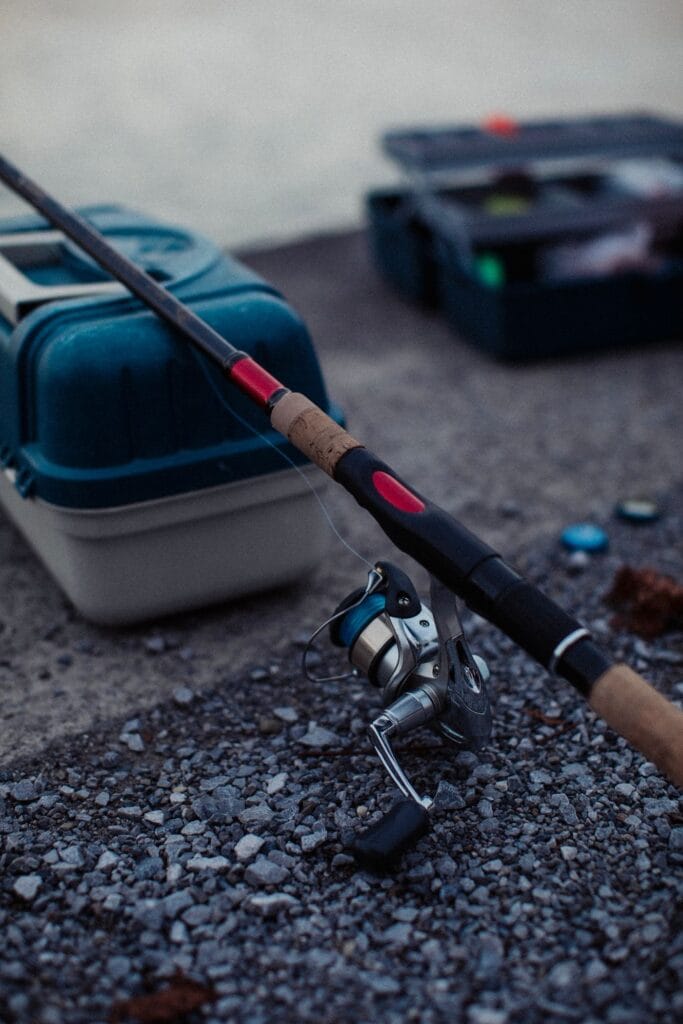
Your rod is the most direct connection between you and the fish. A great rod helps you cast accurately, feel bites, set hooks, and fight bass to the boat. A bad rod works against you at every step. But with hundreds of options on the market across every price range, picking the right bass rod — or building a rod lineup for multiple techniques — can feel overwhelming.
This guide cuts through the noise. Instead of reviewing fifty rods, we’ll focus on what actually matters: understanding rod specs, matching rods to techniques, and building a practical lineup that covers everything you need on the water. Whether you’re buying your first serious bass rod or rounding out a boat full of setups, this will help you spend your money wisely.
Understanding Rod Specs: Power, Action, and Length
Before you shop, you need to understand three key specifications that determine how a rod performs. Getting these right matters more than brand name or price tag.
Power (Light to Extra Heavy)
Power refers to the rod’s resistance to bending — how much force it takes to load the rod. A light power rod bends easily under minimal weight, while a heavy power rod requires significant force to flex. For bass fishing, medium, medium-heavy, and heavy are the three power ratings you’ll use most. Medium power handles lighter lures and finesse techniques. Medium-heavy is the most versatile — it handles everything from Texas rigs to spinnerbaits. Heavy power is for jigs, frogs, and punching through heavy vegetation.
Action (Slow to Extra Fast)
Action describes where the rod bends. A fast action rod bends mostly in the top third, giving you a stiff backbone with a responsive tip. An extra-fast action rod bends even closer to the tip. Most bass fishing rods are fast or extra-fast action because they provide the sensitivity to feel bites and the backbone to set hooks. Moderate action rods bend closer to the middle and are better for treble hook lures like crankbaits and jerkbaits — the softer bend prevents you from ripping hooks out of the fish’s mouth.
Length
Bass rods typically range from 6’6″ to 7’6″. Shorter rods give you more accuracy for close-quarters work — pitching jigs under docks, for example. Longer rods cast farther, move more line on a hookset, and give you better leverage when fighting fish. A 7-foot rod is the sweet spot for most bass fishing applications. If you fish a lot of heavy cover, you might want 7’3″ to 7’6″ for the extra power and line control. For finesse work or tight spaces, 6’8″ to 7′ is ideal.
Best Rod Setup for Each Major Technique
Here’s where the rubber meets the road. Different bass fishing techniques demand different rod characteristics. Below is a breakdown of the ideal rod specs for the most popular techniques, along with what to look for when shopping.
Flipping and Pitching (Jigs, Texas Rigs, Creature Baits)
This is where you need authority. A 7’2″ to 7’6″ heavy power, fast action baitcasting rod gives you the backbone to set hooks through a jig’s thick hook and pull bass out of cover before they wrap you around a branch. Look for a rod with a strong butt section but enough tip sensitivity to feel the bite. This is one area where spending more on a quality rod pays dividends — a good flipping stick with a sensitive graphite blank lets you feel every tick and bump while still having the power to horse fish out of heavy stuff.
Crankbaits and Jerkbaits
Treble hook lures need a rod that loads gradually and absorbs the fight so hooks don’t pull free. A 6’10” to 7’2″ medium power, moderate or moderate-fast action rod is ideal. The parabolic bend acts as a shock absorber, keeping constant pressure on the fish without the sharp hook-pulling action of a fast tip. Glass composite rods are popular for cranking because they have a naturally slower, more forgiving action compared to pure graphite. If you throw crankbaits regularly, a dedicated cranking rod is worth the investment.
Spinnerbaits and Swim Jigs
A 7′ to 7’2″ medium-heavy, fast action baitcasting rod handles both spinnerbaits and swim jigs well. You need enough power to set the hook on a single hook lure that’s moving through cover, but a responsive enough tip to feel the bait’s vibration and detect subtle strikes. This is also a great all-around rod — if you can only afford one baitcaster, a 7′ medium-heavy fast is the most versatile option for bass fishing.
Topwater
Walking baits, poppers, and buzzbaits work best on a 6’8″ to 7′ medium power, fast action baitcasting rod. The medium power gives you the right amount of flex to work topwater lures with a rhythmic cadence, and the fast tip allows precise lure control. Many anglers make the mistake of using too heavy a rod for topwater, which makes it harder to work the bait naturally and causes you to pull lures away from fish that swipe and miss.
Texas Rigs and Carolina Rigs
For worming and bottom fishing with soft plastics, a 7′ to 7’3″ medium-heavy, extra-fast action baitcasting rod is the go-to. The extra-fast tip telegraphs everything the worm touches — rocks, grass, wood, and of course, bites. The medium-heavy backbone gives you enough power to drive the hook home through a soft plastic and into a bass’s jaw. Sensitivity is paramount here, so lean toward higher-quality graphite blanks when your budget allows.
drop shot and Finesse Techniques
Finesse fishing lives on spinning gear. A 6’10” to 7’1″ medium or medium-light power, fast action spinning rod gives you the sensitivity to feel a drop shot weight tapping the bottom and detect the lightest bites. The lighter power lets you work small baits naturally and fight fish on lighter line without breaking off. This is also the rod you’ll use for Ned rigs, shaky heads, and wacky-rigged Senkos. Pair it with a quality 2500-size spinning reel and 6-8 lb fluorocarbon or braided line with a fluorocarbon leader.
Frogging and Heavy Cover
Fishing hollow body frogs over matted grass or heavy pads requires a specialized rod. A 7’2″ to 7’6″ heavy or extra-heavy power, fast action baitcasting rod with a strong hook-setting backbone is essential. When a bass blows up on a frog, you need to wait a beat, then set the hook hard through the lure’s body and into the fish — all while pulling the bass up through a canopy of vegetation. This is brute force fishing, and your rod needs to be up to the task. Pair it with 50-65 lb braided line and nothing less.
Building Your Rod Arsenal: Priority Order
You don’t need ten rods to be a well-rounded bass angler. If you’re building a lineup from scratch, here’s the order to prioritize.
Start with a 7′ medium-heavy, fast action baitcasting rod. This is your all-arounder — it’ll handle jigs, Texas rigs, spinnerbaits, swim jigs, chatterbaits, and most other single-hook lures. It won’t be perfect for any one technique, but it’ll be good at everything. This is the rod that stays rigged and ready at all times.
Your second rod should be a 7′ medium, fast action spinning rod for finesse techniques. Drop shots, Ned rigs, shaky heads, and wacky Senkos all live on this setup. Between the baitcaster and the spinning rod, you can cover about 80% of bass fishing situations.
Third, add a cranking rod — 7′ medium power, moderate action. Once you have this, you can throw crankbaits and jerkbaits without worrying about losing fish to pulled hooks on your fast-action rods.
From there, fill in based on your fishing style. If you flip jigs a lot, get a dedicated heavy flipping stick. If you love topwater, add a medium power baitcaster. If you fish heavy grass, invest in a frog rod. Let your fishing habits guide your purchases rather than buying rods you’ll rarely use.
What to Spend: Budget vs. Premium Rods
Bass rods range from under $50 to over $400. The question everyone asks is: do expensive rods catch more fish? The honest answer is no — but they make you a more effective angler over time.
Budget rods in the $60-100 range are perfectly capable of catching bass. Brands like Abu Garcia, Lew’s, and Shimano offer solid rods at this price point with decent sensitivity and construction. If you’re just getting into bass fishing or need a rod for a specific technique you don’t use often, this range is the sweet spot.
Mid-range rods between $100-200 offer a noticeable step up in sensitivity, weight, and component quality. You’ll feel more bites, cast more accurately, and experience less fatigue over a long day of fishing. For your primary one or two setups — the rods you fish with 80% of the time — spending in this range is money well spent.
Premium rods above $200 push the limits of sensitivity and weight reduction. They use higher-modulus graphite, premium guides, and refined actions that experienced anglers appreciate. But the performance gap between a $150 rod and a $300 rod is much smaller than the gap between a $50 rod and a $150 rod. Invest here only after you’ve built a solid lineup and know exactly what you want in a rod.
Rod Care and Longevity
A good bass rod should last years if you take care of it. Store rods vertically or in a rod sleeve — don’t pile them in the back of your truck or lean them against a wall where they can get stepped on. Check guides regularly for cracks or grooves that can fray your line. Clean salt and grime off your rods after fishing by wiping them down with a damp cloth. And never high-stick a fish — keep the rod angle at 45 degrees or below during the fight to avoid snapping the tip.
If a rod tip does break, many manufacturers offer repair programs, and local rod builders can often replace a tip section for far less than buying a new rod. Take care of your gear and it’ll take care of you on the water.
The Right Rod Makes the Difference
You can’t control the weather, the water conditions, or whether the fish decide to eat. But you can control your equipment, and the right rod matched to the right technique gives you the best chance of putting fish in the boat when the opportunity comes. Start with a versatile medium-heavy baitcaster and a quality spinning rod, then expand as your skills and techniques grow. Focus on matching rod specs to how you actually fish, not on brand names or flashy graphics. The best bass rod is the one that fits your style, your technique, and your budget — and then gets used every chance you get.
❓ Frequently Asked Questions
What is the best fishing line for bass?
Fluorocarbon is the best all-around line for bass fishing — nearly invisible underwater, sensitive, and abrasion-resistant. Braid is best for heavy cover and topwater. Monofilament works for beginners but has more stretch and memory than fluoro.
Should I use braid or fluorocarbon for bass?
Use fluorocarbon for bottom fishing, crankbaits, and clear water finesse. Use braid for topwater, frogging, flipping heavy cover, and any technique requiring zero stretch. Many anglers use braid main line with a fluorocarbon leader.
What pound test line is best for bass fishing?
12–17 lb fluorocarbon handles most bass fishing situations. Drop down to 6–10 lb for finesse presentations in clear water, and up to 50–65 lb braid when flipping heavy vegetation or thick cover.
📖 Keep Reading
Sandro
Bass Fishing Enthusiast & Founder of Bass Fishing Blueprint
Sandro has been chasing bass from the bank and the boat for over a decade. He created Bass Fishing Blueprint to share straightforward, practical tactics that help everyday anglers catch more fish â no fluff, no filler, just what actually works on the water.