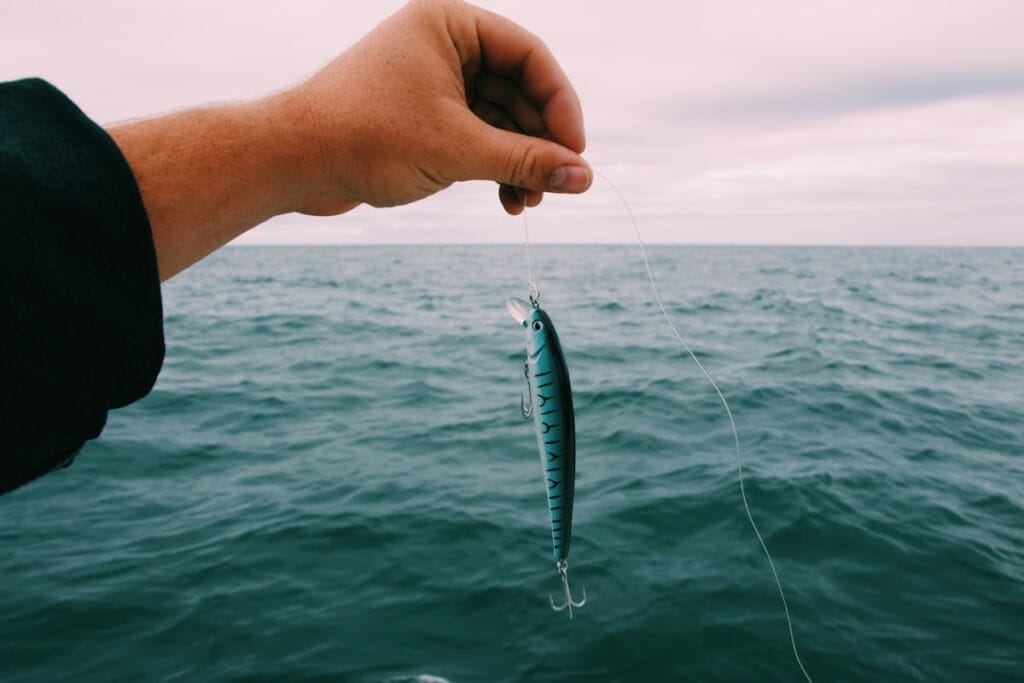
Summer bass fishing gets a bad reputation. The heat is brutal, the water temperatures are high, and bass seem to disappear from the spots that produced fish all spring. But bass don’t stop eating in summer — they just change their patterns. Understanding where bass go in summer and which lures trigger strikes in warm water is the difference between struggling and having some of the best fishing of the year. Here are the top lures for summer bass, and exactly how to fish them.
Why Summer Bass Fishing Is Different
As water temperatures climb into the mid-70s and above, bass undergo several behavioral changes. They become more thermally sensitive and will avoid water that’s uncomfortably warm (above 85°F). Oxygen levels decrease in warm water, pushing bass toward areas with better oxygenation — current, deep water, shaded areas, and vegetation that produces oxygen through photosynthesis. Their metabolism is also running hot, meaning they need to eat more — but they’re often selective about burning energy to chase fast-moving lures. The solution: fish early and late when surface temps drop, and know which lures excite fish throughout the day.
1. Topwater Lures — Early Morning and Late Evening
The first and last hour of daylight in summer are the best topwater windows of the entire year. Bass move shallow to feed under the cover of low light, and they’re aggressive. The explosive nature of topwater strikes is amplified in summer when fish are chasing shad and bluegill along surface edges.
Best Summer Topwaters
- Popper (Rebel Pop-R, Strike King Sexy Dawg Pop): Work it with rhythmic pops along grass edges, near dock corners, and over shallow flats. The commotion mimics a feeding or injured baitfish on the surface.
- Walking bait (Heddon Zara Spook, Lucky Craft Sammy): Cover more water with a walking bait’s side-to-side action. Excellent for locating active fish along long stretches of bank or over submerged grass beds.
- Buzz bait: The buzzbait is the fastest topwater lure to fish and one of the best for drawing reaction strikes from shallow summer bass. Use it right at first light before the sun fully hits the water.
- Hollow body frog: Once the sun comes up, a frog over lily pads and matted vegetation is one of the most consistent summer producers. Bass retreat under the shade of surface mats as temperatures rise, and a frog is the only lure that can effectively reach them.
2. Deep Diving Crankbait — The Summer Workhorse
Once the topwater bite dies mid-morning, bass push to deeper water seeking cooler temperatures and better oxygen. Channel ledge fishings, points that drop into deep water, and submerged humps are prime summer holding areas in reservoirs. A deep-diving crankbait that runs 10-20 feet down is the most efficient tool for covering these areas and triggering reaction strikes from bass that are positioned in three-dimensional space along a ledge.
The key to ledge fishing with a crankbait is making contact with the bottom. A crankbait deflecting off rocks or hard bottom triggers reflex strikes from bass that might not chase a lure moving freely through the water column. Use a 7’4″ to 7’11” medium-heavy fiberglass or composite rod — fiberglass dampens the hookset slightly and keeps fish from throwing treble hooks on jumps. 12-17 lb fluorocarbon line is ideal; it sinks and adds depth to your crankbait’s dive curve.
Top picks: Strike King 6XD, Lucky Craft LC 2.5, and the Rapala DT-16. In clear water, natural shad colors (chrome/blue, sexy shad) excel. In stained water, go brighter — chartreuse/blue or citrus shad.
3. Football Jig — For Rocky Summer Structure
Where there are rocky points, humps, and ledges, there are football jigs. The wide, football-shaped head rolls naturally over rocks without getting snagged, and the slow, deliberate presentation matches the lethargic pace that deep summer bass often prefer. Drag a 3/4 oz football jig tipped with a chunk or craw trailer across hard bottom structure. When it catches in a rock crevice and then pops free, that’s often the exact moment a bass eats it.
Use heavier line than you might think — 15-17 lb fluorocarbon on a medium-heavy casting rod. You need the abrasion resistance for rocks and the power to pull fish up from deep water quickly. Color: match the local crawfish — brown/orange in most areas, black/blue in darker water.
4. drop shot — When Bass Won’t Commit
On tough summer days — post-cold-front, high skies, heavy fishing pressure — the drop shot is the great equalizer. It suspends a finesse worm at an exact depth and shakes it in place without moving the weight, which means bass under pressure don’t have to commit to chasing anything. They just have to open their mouth.
Rig a 3/16 or 1/4 oz drop shot weight 8-14 inches below a size 1 or 1/0 finesse hook. Thread on a 4-6 inch finesse worm (Roboworm, Zoom Finesse Worm, or Berkley PowerBait Maxscent Flat Worm). Fish it vertically in 15-30 feet of water over main lake structure. Shake the rod tip subtly while keeping the weight on the bottom. Summer bass simply cannot resist.
5. Swimbaits — Matching the Summer Shad Hatch
In summer, threadfin and gizzard shad are the primary forage in most reservoirs. Bass are keyed in on shad, and nothing matches the hatch better than a well-chosen swimbait. When bass are busting shad on the surface in open water — a common summer spectacle on many lakes — a swimbait retrieved at the same pace as fleeing baitfish is devastating.
- Paddle-tail swimbait on a jighead (3.8-5 inch): The most versatile option. Match the weight of the head to the depth you’re fishing — 1/4 oz for shallow, 3/4 oz for 15+ feet. Keitech Fat Swing Impact and Megabass Magdraft are top choices.
- Umbrella rig (Alabama rig): Legal on most bodies of water, the umbrella rig with multiple swimbaits mimics a shad school perfectly and draws reaction strikes from bass schooling on baitfish. It requires heavy tackle — 7’6″ heavy rod, 20 lb fluoro — but the results speak for themselves.
6. Shaky Head — The Midday Saver
When the topwater bite dies and you need a bridge lure to get through the midday heat, the shaky head is your best friend. It’s simple to fish — cast it out, let it sink, and shake the rod tip while slowly dragging it back along the bottom. The nose-down orientation of the shaky head worm waves its tail enticingly even with minimal movement.
Fish it on spinning tackle with 8-10 lb fluorocarbon in clear water for best results. Target the same deep structure you’d fish a drop shot or football jig — ledges, points, humps, and the base of docks in deeper water. A 5-6 inch finesse worm in green pumpkin or watermelon red is a year-round producer, but especially reliable in summer.
Summer Bass Fishing Tips
- Fish the first and last two hours of the day: This is when shallow bass are most active. Don’t waste prime time rigging — be on the water and ready to cast at first light.
- Follow the baitfish: Bass are where the shad are. Look for birds working the surface, shad dimpling the water, and depth finder marks — these will lead you to the fish.
- Go deep midday: When shallow fishing slows after 9-10 AM, go deep. Channel ledges, main lake points, and humps in 15-25 feet hold fish all day.
- Keep fish in the water: Summer bass are physiologically stressed by warm water. Minimize air exposure and revive fish fully before releasing.
- Stay hydrated yourself: Summer fishing means summer heat. Drink more water than you think you need, wear sun protection, and don’t push past your limits on extremely hot days.
Summer is one of the most rewarding seasons to chase bass if you adapt your tactics to the conditions. Fish early, go deep when the sun gets high, stay on structure, and trust these proven lures. The biggest bass of the year are often caught in the dead heat of summer by anglers who know how to find them.
❓ Frequently Asked Questions
What color lures work best in clear water for bass?
In clear water, match natural forage colors — green pumpkin, watermelon red, shad patterns (silver/white), and natural craw tones. Avoid overly bright or unnatural colors; bass get a long look at the bait and will reject anything that looks wrong.
Are bass harder to catch in clear water?
Clear water bass are more line-shy and scrutinize presentations more carefully. Use lighter fluorocarbon (6–10 lb), smaller lures, and slower, more natural retrieves. Long casts keep your boat and shadow away from wary fish.
What is the best technique for clear water bass fishing?
Drop shot and shakyhead finesse presentations on light fluorocarbon line are the most consistent clear water bass techniques. Sight fishing with a wacky rig during spawn is also extremely effective in high-visibility conditions.
📖 Keep Reading
Frequently Asked Questions
Why are bass harder to catch in summer?
Bass become lethargic in extreme summer heat because warm water holds less oxygen. They move deeper or seek shade to stay in comfortable water temperatures (68-78°F is their sweet spot). They also feed less aggressively during midday heat, moving to feed primarily during low-light windows and at night.
What depth should I fish for bass in summer?
In summer, bass often suspend or hold at the thermocline — the depth where warm surface water meets the cooler oxygenated layer below. This is typically 8-20 feet depending on the lake. Fish the shade on sunny days (under docks, under bridges, in tree shadows) and go deeper during midday.
What is the best time to catch bass in summer?
Early morning (first two hours of light) is the absolute best time for summer bass fishing. Bass move shallow and feed aggressively before the heat of the day pushes them deep. The last hour before dark and fishing at night are the other top windows. Avoid mid-afternoon (11am-4pm) when water is hottest and bass activity is lowest.
Sandro
Bass Fishing Enthusiast & Founder of Bass Fishing Blueprint
Sandro has been chasing bass from the bank and the boat for over a decade. He created Bass Fishing Blueprint to share straightforward, practical tactics that help everyday anglers catch more fish â no fluff, no filler, just what actually works on the water.