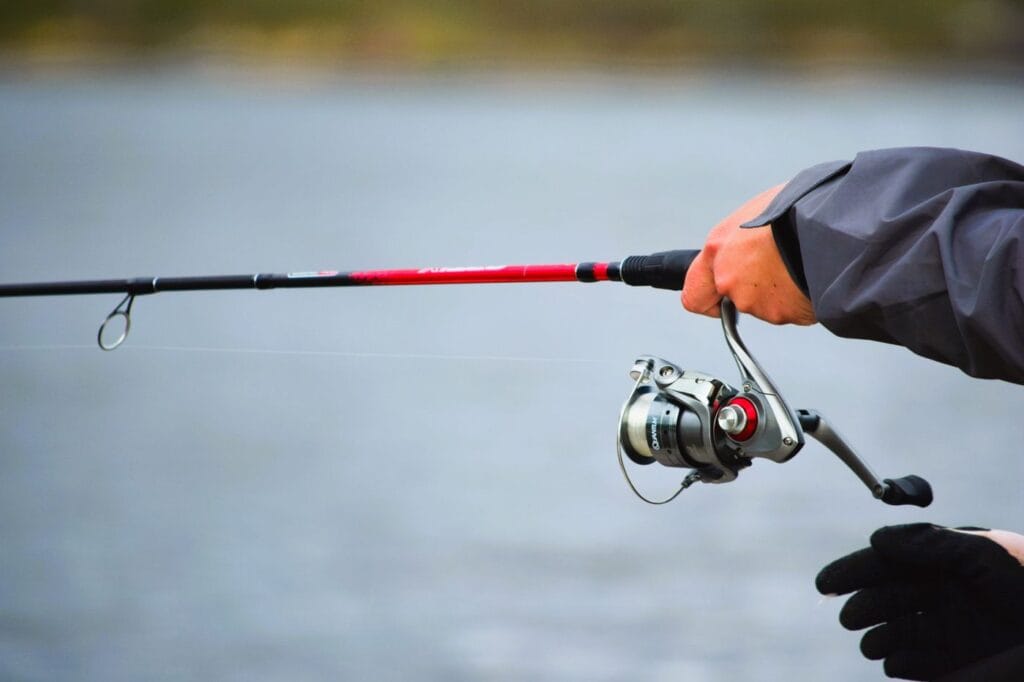
When lakes turn hot and lethargic in the dog days of summer, moving water can be the great equalizer. Rivers, creeks, and tailrace stretches stay cooler and more oxygenated than stagnant reservoirs, and the current keeps bass positioned, aggressive, and easy to pattern. Both largemouth and smallmouth thrive in current, but they relate to it differently than lake fish do. If you understand how bass use flow, a summer river can hand you the most consistent fishing of the year while everyone else is sweating it out on a dead lake. Here is how to read and fish moving water.
Why Current Fishes So Well in Summer
Two things make rivers special in the heat. First, flow carries oxygen and holds water temperatures lower than a sun-baked lake, so bass stay active through the middle of the day instead of shutting off. Second, current does the work of feeding fish. Moving water sweeps crayfish, baitfish, and insects downstream, and bass simply set up behind an object, wait for the conveyor belt to deliver a meal, and dart out to grab it. That predictability is the key to the entire game: find the ambush spots and you find the fish.
Reading Current: Find the Breaks
Bass do not sit in heavy current and fight it all day; that would burn more energy than they take in. Instead they hold in current breaks, the calmer pockets right next to fast water where they can rest and still ambush anything the flow pushes past. Learning to spot these breaks is the whole skill of river fishing.
- Behind rocks and boulders: The cushion of slack water directly downstream of a boulder, called an eddy, is a classic smallmouth ambush spot.
- Current seams: The visible line where fast water meets slow water is a feeding lane. Bass sit on the slow side and grab food drifting down the fast side.
- Laydowns and wood: Fallen trees along the bank break the flow and give largemouth shade and cover in one package.
- Bridge pilings and dam tailraces: Man-made structure creates predictable eddies that concentrate both bait and bass.
- Inside bends and gravel bars: The slower inside of a river bend, especially where it meets deeper water, holds fish moving up to feed.
Position Your Casts With the Current
The single most important adjustment river anglers make is presenting the bait so it moves the way the current naturally carries food: downstream. A crayfish or shad swept off a rock does not swim upstream against the flow, so a lure that does looks unnatural. Cast up-current or across, and let your bait wash down into the eddy or seam where the fish is waiting. Keep just enough contact to feel the bite, but let the current control the drift. Bites often come the instant the bait sweeps into the slack pocket.
Best Baits for Summer River Bass
Keep it simple and use baits that get to the bottom and look like river forage. A 1/4 to 3/8-ounce football or finesse jig with a craw trailer dredged through eddies is hard to beat for smallmouth. A Texas-rigged craw or creature bait works the same water for largemouth around wood. Tubes and Ned rigs excel on rocky, current-swept bottoms where crayfish dominate the menu. When bass are chasing baitfish in the flow, a small swimbait, spinnerbait, or squarebill crankbait cast across the seam draws reaction strikes. Early and late in the day, a topwater walked over the slack water behind current breaks can produce explosive bites.
Largemouth Versus Smallmouth in Current
Both species live in rivers, but they favor different water. Smallmouth love the harder current, rock, and gravel, and they will sit right in the fast stuff behind a boulder. Largemouth prefer the softer edges, backwater eddies, and wood cover where the flow is gentler. On many rivers you can catch both in a single stretch by simply fishing the fast, rocky runs for smallmouth and the slack wood and bank cover for largemouth. Adjust your target water to the fish you want.
Safety and Access
Moving water demands respect. Wear a life jacket, watch for changing flows below dams that can rise fast and without warning, and wade carefully on slick rock. A kayak or small jon boat opens up water that bank anglers cannot reach, but always check flow rates and generation schedules before you launch on a tailrace. Fish smart, stay aware of the current at your feet, and a summer river will reward you with cooler water, hungrier fish, and some of the most enjoyable bass fishing of the entire season.
Sandro
Bass Fishing Enthusiast & Founder of Bass Fishing Blueprint
Sandro has been chasing bass from the bank and the boat for over a decade. He created Bass Fishing Blueprint to share straightforward, practical tactics that help everyday anglers catch more fish â no fluff, no filler, just what actually works on the water.